

Are Pears Low FODMAP? Complete Guide + Safe Swaps

Key Takeaways
- Most pears are high FODMAP and should be avoided during the elimination phase of a low FODMAP diet.
- Pears contain specific carbohydrates that can trigger digestive discomfort in people with IBS.
- Being high FODMAP does not mean pears are unhealthy or "bad."
Table of Contents
- Are Pears Low FODMAP? The Direct Answer
- Understanding FODMAPs, Why Pears Trigger IBS Symptoms
- Pear Varieties & Their FODMAP Status, A Practical Breakdown
- Fresh vs. Canned vs. Dried Pears, Does Processing Change FODMAPs?
- Pears vs. Other Fruits, Finding Safe Alternatives
- Safely Reintroducing Pears After Elimination, A Step-by-Step Protocol
- Hidden FODMAPs, Where Pears Sneak Into Your Diet
If you're navigating a low FODMAP diet, you've likely wondered "are pears low FODMAP?" The direct answer: most pears are high FODMAP and should be avoided during the elimination phase. This doesn't mean pears are "bad", it means they contain specific carbohydrates that can trigger digestive discomfort in people with IBS.
Understanding which fruits work with your gut isn't about restriction, it's about strategic choices that let you enjoy bold flavors without the bloating, cramping, and digestive chaos that can follow a high FODMAP meal. For those seeking convenient, gut-friendly swaps, the Low FODMAP Foodie Bundle offers a curated selection of pantry staples to help you stay on track.
To simplify your transition, consider starting with a Low FODMAP Pantry Starter Bundle, which includes essentials designed for easy, flavorful meals without the FODMAP guesswork.
Are Pears Low FODMAP? The Direct Answer
The Bottom Line: Standard pears are high FODMAP due to fructose and sorbitol content. Avoid during elimination phase; small servings may be tolerated during reintroduction with professional guidance.
Most pear varieties, including Packham, Bartlett, and Bosc, contain high levels of two FODMAP compounds: fructose (a monosaccharide) and sorbitol (a polyol). A single small pear (approximately 100g) exceeds the FODMAP threshold for most people with IBS, typically triggering symptoms within 1-3 hours of consumption.
The rare exceptions include Prickly Pears (cactus fruit) and very small servings of Nashi pears, but these represent specialty varieties rather than your typical grocery store options. Cooking, canning, or processing pears does not significantly reduce their FODMAP load, the problematic sugars remain chemically stable through heat treatment.
During the elimination phase of a low FODMAP diet, are pears low FODMAP becomes a clear "no" for symptom management. However, the reintroduction phase may reveal your personal tolerance threshold, allowing small, intentional servings under dietitian guidance.
Understanding FODMAPs, Why Pears Trigger IBS Symptoms

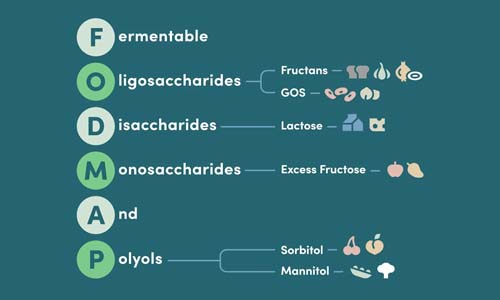
FODMAPs are poorly absorbed carbohydrates that pull water into your intestines and ferment rapidly, creating the perfect storm for IBS symptoms: gas production, intestinal distension, and altered bowel function. Think of them as digestive troublemakers that your small intestine can't handle efficiently.
Pears pack a double punch of problematic compounds. Fructose appears in concentrations of 7-10g per medium pear, well above what many people's small intestines can absorb. When fructose absorption capacity is exceeded, the unabsorbed sugar travels to your colon where bacteria feast on it, producing gas and drawing fluid into the gut.
Sorbitol, a sugar alcohol naturally present in pears, compounds the problem. Your intestines absorb sorbitol slowly and incompletely, meaning most of it reaches your colon still intact. The result: osmotic water retention (hello, loose stools) and bacterial fermentation (hello, painful gas and bloating).
This isn't a digestive weakness, it's valuable intel about your gut's processing capacity. People with IBS experience visceral hypersensitivity, meaning normal gas and fluid shifts feel intensely uncomfortable. Understanding why are pears low FODMAP matters helps you make informed choices rather than playing digestive roulette. For more on how other fruits compare, see are blueberries low FODMAP.
Pear Varieties & Their FODMAP Status, A Practical Breakdown
| Pear Variety | FODMAP Status | Safe Serving | Notes |
|---|---|---|---|
| Packham Pears | High FODMAP | Avoid (30g max in reintroduction) | Most common variety; high fructose + sorbitol |
| Bartlett Pears | High FODMAP | Avoid | Similar profile to Packham |
| Bosc Pears | High FODMAP | Avoid | Slightly lower fructose but still problematic |
| Prickly Pears | Low FODMAP | Up to 60g | Cactus fruit; true low FODMAP option |
| Nashi/Asian Pears | Low FODMAP (small servings) | Up to 50g | Exceeding portion becomes high FODMAP |
| Dried Pears | High FODMAP | Avoid entirely | Concentrated FODMAPs |
| Pear Juice | High FODMAP | Avoid entirely | Liquid sugar bomb |
Ripeness affects FODMAP concentration, riper pears contain higher levels of free fructose. If you're experimenting during reintroduction, choose firmer, less ripe fruit and peel thoroughly (some FODMAPs concentrate in the skin).
When shopping for pears, look for variety labels, Prickly Pears offer your best bet for truly low FODMAP fruit, though availability varies by region. Standard grocery store pears (Packham, Bartlett, Bosc) all carry similar high FODMAP profiles, making variety selection less critical than portion control during any reintroduction attempts. If you’re looking for more ways to flavor your meals safely, try Low FODMAP Taco Seasoning for a gut-friendly kick.
Fresh vs. Canned vs. Dried Pears, Does Processing Change FODMAPs?
Processing doesn't rescue pears from their high FODMAP status. Fructose and sorbitol remain chemically stable through heat treatment, water exposure, and dehydration, meaning your digestive system faces the same problematic compounds regardless of preparation method.
Canned pears in light syrup show slight fructose reduction as some sugar leaches into the liquid, but they remain high FODMAP overall. The canning liquid itself concentrates FODMAPs, making it particularly problematic. Dried pears concentrate FODMAPs by removing water while preserving sugars, creating a FODMAP-dense snack that's best avoided entirely.
Pear juice represents the worst option: liquid sugar with rapid absorption and no fiber to slow gastric emptying. Home cooking methods like poaching or baking don't reduce FODMAP content either. If you're wondering are pears low FODMAP after processing, the answer remains consistently no across all preparation methods. For more on how other vegetables compare, see are carrots low FODMAP.
Pears vs. Other Fruits, Finding Safe Alternatives

| High FODMAP (Avoid) | Low FODMAP Alternative | Safe Serving Size | Flavor Profile |
|---|---|---|---|
| Pears | Bananas | 1 medium (100g) | Sweet, soft texture |
| Apples | Kiwi fruit | 2 medium | Tart, crisp when firm |
| Watermelon (large servings) | Cantaloupe | Up to 200g | Sweet, refreshing |
| Mangoes | Oranges | 1 medium | Citrusy, juicy |
| Dried fruits | Fresh berries | 150g blueberries/strawberries | Sweet-tart, antioxidant-rich |
These alternatives offer similar satisfaction without FODMAP overload. Bananas provide the soft, sweet texture that makes pears appealing, while kiwi delivers tartness and fiber. The key lies in choosing fruits with lower fructose concentrations and minimal polyol content.
For optimal digestive comfort, pair low FODMAP fruits with proteins or healthy fats, like strawberries with lactose-free yogurt or banana with peanut butter. This combination slows sugar absorption and provides sustained energy without blood sugar spikes that can worsen IBS symptoms. To further support your gut, try adding Organic Chicken Bone Broth | Low FODMAP & Unsalted to your meals for nourishing, gentle flavor.
Safely Reintroducing Pears After Elimination, A Step-by-Step Protocol
Reintroduction begins only after 4-8 weeks of strict elimination and noticeable symptom improvement. This structured approach determines your personal tolerance threshold rather than relying on generic guidelines.
Days 1-2: Baseline establishment - Consume zero pears while documenting current symptom levels, energy, and bowel patterns. Day 3: First micro-dose - Try 20g of peeled, diced pear (roughly one tablespoon) and monitor for 24-48 hours. Days 4-5: Symptom tracking - Record any digestive changes, bloating, or IBS-related symptoms in detail.
Days 6-8: Gradual increase - If well-tolerated, increase to 50g (half a small pear) and observe again. Day 9+: Documentation and decision - Well-tolerated portions can be incorporated at this threshold; recurring symptoms indicate pears remain a personal trigger requiring continued avoidance.
Use a simple daily log tracking pear amount, symptoms, and severity (1-10 scale). Remember that IBS symptoms may appear 3-5 hours after consumption or even the following day. When asking are pears low FODMAP for your individual tolerance, reintroduction provides personalized answers that generic guidelines cannot. For a comprehensive list of high and low FODMAP foods, consult Monash University's FODMAP food guide.
Hidden FODMAPs, Where Pears Sneak Into Your Diet
Pear-derived ingredients hide in processed foods under various names, creating unexpected FODMAP exposure. Pear juice concentrates appear in flavored yogurts, smoothies, and breakfast cereals, while dried pear pieces commonly appear in granola bars and trail mixes alongside other high FODMAP ingredients like garlic powder.
Check labels for pear chutneys in gourmet sauces, pear puree in marinades, and pear flavoring in craft sodas. Baby food pouches frequently contain pear as a base ingredient, and some energy balls use pear paste as a natural sweetener. Even Organic Vegetable Broth (Low FODMAP & Unsalted) can be a safe, flavorful base for meals when you need to avoid hidden FODMAPs.
For more on FODMAPs in other vegetables, see are potatoes low FODMAP. For further reading on FODMAPs and IBS, review this peer-reviewed article on FODMAPs and gastrointestinal health.
When navigating a low FODMAP diet, understanding which foods support or sabotage your digestive comfort becomes essential. Pears present a particularly tricky case, beloved for their sweet, juicy flavor but problematic for many IBS sufferers. If you're wondering are pears low FODMAP, the answer requires nuance and practical guidance to help you make informed choices without sacrificing flavor or nutrition. For a complete pantry overhaul, explore the Low FODMAP Pantry Starter Bundle (Garlic Lover Edition) for delicious, gut-friendly options.
Frequently Asked Questions
Why are most pears considered high FODMAP and how do they trigger IBS symptoms?
Most pears are high FODMAP because they contain fructose and sorbitol, carbohydrates that can be difficult to digest. These sugars may ferment in the gut, leading to bloating, cramping, and other digestive discomfort common in IBS.
Are there any pear varieties or forms (fresh, canned, dried) that are low FODMAP or safer to consume?
Most fresh pear varieties like Bartlett and Bosc are high FODMAP, but small servings of Nashi pears or prickly pears may be better tolerated. Canned pears in juice might have a slightly lower FODMAP load, though dried pears remain high FODMAP and should be avoided.
How can someone safely reintroduce pears into their diet after the elimination phase of a low FODMAP diet?
Reintroduce pears gradually in small portions under professional guidance to identify your personal tolerance. Tracking symptoms and portion sizes helps determine if and how pears can fit into your diet without discomfort.
Does processing methods like cooking or canning reduce the FODMAP content in pears?
Cooking or canning pears does not significantly reduce their FODMAP content because the fructose and sorbitol remain stable through heat treatment. Therefore, these methods don’t make pears low FODMAP.