

Is Cheese Low FODMAP? The Ultimate Gourmet Guide

IS CHEESE LOW FODMAP
Key Takeaways
- Aged Cheeses are Safest: Hard, aged cheeses like cheddar, parmesan, and swiss are naturally very low in lactose (the primary FODMAP in dairy) and are safe to eat.
- Portion Size is Crucial: Soft, fresh cheeses like mozzarella, feta, and ricotta can be low FODMAP, but only in small servings (typically around 40g).
- Read Labels Carefully: Processed cheeses and flavored varieties often contain hidden high-FODMAP ingredients like garlic powder, onion powder, or inulin. Always check the ingredient list.
- Check for Sugars: A quick way to check for lactose is to look at the "Sugars" on the nutrition panel. If it's less than 1g per serving, the cheese is likely very low in lactose.
Table of Contents
- Understanding Cheese's Role in a Low FODMAP Diet
- How Cheese Making Affects FODMAP Content
- Cheese by Category: Which Types Are Low FODMAP?
- How to Choose the Right Cheese
- Comparisons: Low vs High FODMAP Cheeses
- Nutritional Benefits of Cheese
- Gourmet Inspiration & Meal Integration
- Troubleshooting & Special Scenarios
- Trusted Resources & Tools
- Summary: Flavor-First, Gut-Friendly Cheese Living
- Frequently Asked Questions
- Comprehensive Low FODMAP Cheese Comparison
- Advanced Integration Strategies
- Quality Sourcing & Storage
- Recipe Adaptation Techniques
- Long-Term Success Strategies
- Cheese as a Nutritional Powerhouse
- Gourmet Meal Planning Integration
- Troubleshooting Common Challenges
- Future Considerations and Innovations
- The Comprehensive Verdict
Low FODMAP Diet 101: Understanding Cheese's Role in Digestive Wellness
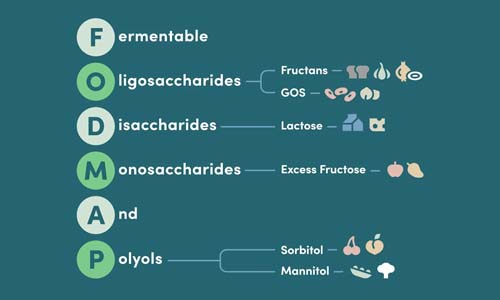
The low FODMAP diet identifies and limits fermentable carbohydrates that can trigger bloating, gas, and digestive discomfort in sensitive individuals. FODMAPs include fructose, lactose, fructans, galactans, and polyols, short-chain sugars that some people struggle to digest completely. For those just starting out, a Low FODMAP Pantry Starter Bundle can simplify the transition and help you stock up on gut-friendly essentials.
In dairy products, lactose is the primary FODMAP concern. This milk sugar can cause symptoms when consumed in larger quantities, but here's where cheese becomes your digestive ally: the cheese-making process naturally reduces lactose content through bacterial fermentation and aging. To further support your digestive wellness journey, consider the Low FODMAP Foodie Bundle for a curated selection of essentials that pair well with low FODMAP cheeses.
Key distinctions matter: Lactose intolerance involves difficulty digesting milk sugar, while dairy allergies trigger immune responses to milk proteins. FODMAP sensitivity specifically relates to how your gut processes certain carbohydrates. Understanding these differences helps you make informed choices about which cheeses support your individual needs.
How Cheese Making Affects FODMAP Content

The transformation from milk to cheese is essentially a controlled fermentation where beneficial bacteria consume lactose, converting it into lactic acid. This process begins immediately when starter cultures are added to milk, and continues throughout aging.
Fresh cheeses like ricotta retain more lactose because they undergo minimal fermentation. In contrast, aged cheeses like parmesan can lose up to 95% of their original lactose content after 12 months of aging. Even moderately aged cheeses like cheddar become virtually lactose-free after 3-6 months.
| Cheese Type | Aging Time | Lactose Content | FODMAP Status | Flavor Profile |
|---|---|---|---|---|
| Fresh (Ricotta) | None | 2-4g per 100g | Low in 40g serves | Mild, creamy |
| Semi-aged (Cheddar) | 3-6 months | <1g per 100g | Low FODMAP | Sharp, complex |
| Aged (Parmesan) | 12+ months | <0.1g per 100g | Very low FODMAP | Intense, nutty |
Cheese by Category: Which Types Are Low FODMAP?
Aged & Hard Cheeses: Naturally Low FODMAP
Hard, aged cheeses represent the gold standard for low FODMAP eating. Their extended aging process eliminates virtually all lactose while concentrating flavors into complex, satisfying profiles. Is cheddar cheese low FODMAP? Absolutely, along with Swiss, gruyere, and aged gouda.
The 40g serving size (roughly the size of a golf ball) provides maximum safety while delivering substantial protein and calcium. Is parmesan cheese low FODMAP? Yes, and its intense flavor means a little goes far in enhancing dishes with umami depth.
Top aged cheese picks: Sharp cheddar pairs beautifully with rice crackers and grapes. Aged gouda brings caramel notes to quinoa bowls. Pecorino Romano transforms simple pasta into gourmet fare when combined with Gourmend's bone broths for rich, complex sauces.
Soft & Fresh Cheeses: Serving Size Matters
Fresh cheeses retain more moisture and slightly higher lactose levels, but remain perfectly safe within proper portions. Is mozzarella cheese low FODMAP? Yes, in 40g servings. Is feta cheese low FODMAP? Also yes, making Mediterranean-inspired dishes completely accessible.
Is cottage cheese low FODMAP? Cottage cheese tests low FODMAP at 40g servings, perfect for protein-rich breakfasts or snacks. Is cream cheese low FODMAP? Standard cream cheese is safe in 40g portions, ideal for spreading on sourdough toast or enriching sauces. For a deeper dive, read our detailed guide on is cream cheese low FODMAP.
Fresh mozzarella on pizza becomes gut-friendly when you measure portions mindfully. Brie and camembert offer creamy indulgence that pairs elegantly with low FODMAP crackers and chive sprigs for an onion-like flavor boost without digestive concerns.
Processed & Flavored Cheeses: Navigate With Care
Processing often reintroduces FODMAPs through added milk solids, whey powder, or problematic flavorings. Ingredient lists revealing inulin, garlic powder, or "natural flavors" signal potential FODMAP triggers.
Cheese spreads, flavored cream cheeses, and pre-shredded varieties frequently contain anti-caking agents and preservatives that may cause sensitivity. When flavor enhancement is the goal, Gourmend's low FODMAP seasonings provide the complexity you're seeking without hidden triggers.
How to Choose the Right Cheese: Smart Label Reading & Portioning
Successful cheese selection starts with the nutrition panel. Look for "sugars" content, anything under 1g per serving indicates minimal lactose. Compare this to your intended portion size, keeping the 40g guideline as your safety benchmark.
Quick cheese safety check: Natural aged cheeses with less than 1g sugar per 40g serving are your safest bets. Fresh cheeses can work within portion limits, while processed varieties require careful ingredient scrutiny.
A kitchen scale eliminates guesswork. For soft spreads, a generous tablespoon equals roughly 20g, well within safe limits. For hard cheeses, a golf ball-sized portion approximates 40g perfectly.
When symptoms occur: Reduce portion sizes first, then try switching to more aged varieties. Consider keeping a food diary to identify your personal tolerance levels, as individual responses can vary within the low FODMAP framework.
Comparisons: Low FODMAP vs High FODMAP Cheeses

| Cheese | FODMAP Status | Safe Portion | Lactose Content | Best Uses |
|---|---|---|---|---|
| Aged Cheddar | Low FODMAP | 40g | <0.5g per 100g | Snacking, melting, grating |
| Fresh Mozzarella | Low FODMAP | 40g | 1-2g per 100g | Pizza, caprese, melting |
| Cottage Cheese | Low FODMAP | 40g (¼ cup) | 2-3g per 100g | Breakfast bowls, dips |
| Ricotta | Moderate | 40g max | 3-4g per 100g | Pasta filling, desserts |
| Processed Cheese | Often High | Check labels | Variable + additives | Avoid or substitute |
Vegan cheese considerations: Plant-based alternatives vary widely in FODMAP content. Coconut-based versions are typically safe, while those containing cashews or inulin require portion awareness. Always check labels for high FODMAP thickeners and flavorings.
Nutritional Benefits of Cheese on a Low FODMAP Plan
Cheese delivers exceptional nutritional value within low FODMAP parameters. A 40g serving of aged cheddar provides approximately 280mg of calcium, nearly 30% of daily needs, plus 10g of complete protein containing all essential amino acids.
The aging process that reduces FODMAPs simultaneously concentrates nutrients. Hard cheeses become excellent sources of vitamin B12, phosphorus, and zinc while maintaining digestibility for sensitive individuals.
Maximizing nutrition: Pair cheese with vitamin C-rich foods like bell peppers or strawberries to enhance calcium absorption. Combine with Gourmend's bone broths in recipes to boost collagen and mineral content while maintaining gut-friendly profiles.
Gourmet Inspiration & Meal Integration
Building a Gut-Friendly Cheese Plate
Create an elegant cheese board using 40g portions of three distinct varieties: aged cheddar for sharpness, creamy brie for richness, and aged gouda for sweetness. Add rice crackers, grapes, and fresh chive sprigs for color and complementary flavors.
Gourmend's vegetable broth, warmed and served in small bowls, makes an unexpected savory element that enhances cheese flavors while providing gut-supporting nutrients. This combination transforms simple ingredients into a sophisticated, digestively conscious experience.
Daily Meal Integration
Morning: Scrambled eggs with 20g aged cheddar and chive sprigs. Lunch: Mixed greens topped with 40g feta, cucumber, and olive oil. Dinner: Quinoa risotto finished with 30g parmesan and Gourmend bone broth for depth.
Can you eat cheese daily on low FODMAP? Yes, within portion guidelines. Rotating varieties prevents monotony while ensuring consistent nutrient intake without overwhelming your digestive system.
Troubleshooting & Special Scenarios

Experiencing symptoms after cheese? First, verify your portion size, 40g is smaller than many people estimate. Second, consider the cheese type, fresh varieties may trigger sensitivity in highly reactive individuals.
FODMAP stacking concerns: Multiple low FODMAP foods consumed together can accumulate to problematic levels. If you're eating cheese with other dairy, nuts, or certain fruits in one meal, symptoms may result from combined rather than individual FODMAP loads.
Lactose-free cheese considerations: These products remove lactose but may contain other FODMAP-triggering additives. Read labels carefully, as "lactose-free" doesn't automatically mean "low FODMAP" when processing introduces other problematic ingredients.
Trusted Resources & Tools
The Monash University Low FODMAP app provides the most reliable, research-backed information on cheese portions and safety levels. Their testing protocols establish the 40g serving recommendations used throughout this guide.
Explore Gourmend's low FODMAP recipe collection for creative ways to incorporate cheese into gut-friendly meals. Our recipe conversion tool helps adapt favorite dishes to meet low FODMAP requirements.
When in doubt, consult with a registered dietitian experienced in FODMAP protocols. They can provide personalized guidance based on your specific sensitivities and nutritional needs.
Summary: Flavor-First, Gut-Friendly Cheese Living
Cheese absolutely belongs in your low FODMAP lifestyle. The natural aging process that creates complex, gourmet flavors simultaneously eliminates the lactose that causes digestive discomfort. From sharp aged cheddar to creamy brie, your options are abundant and delicious.
Success lies in understanding portions, reading labels thoughtfully, and choosing quality over quantity. When you select the right cheeses in appropriate amounts, you're not just avoiding symptoms, you're actively supporting your nutritional needs while enjoying some of cuisine's most satisfying flavors.
Embrace cheese as your culinary ally. With proper knowledge and Gourmend's gut-friendly broths and seasonings to enhance your creations, every meal becomes an opportunity for both digestive wellness and gourmet satisfaction.
The fermentation process that creates aged cheeses naturally eliminates lactose while developing complex flavor compounds. Is gouda cheese low FODMAP? Aged gouda contains virtually no lactose, making it an excellent choice for those following digestive wellness protocols. This same principle applies across all properly aged varieties, time and beneficial bacteria work together to transform potentially problematic milk sugars into gut-friendly, gourmet experiences. For more on this topic, see our comprehensive article on low FODMAP cheese.
Frequently Asked Questions
Is all cheese low FODMAP? No, but most natural cheeses are safe in appropriate portions. Aged varieties like cheddar and parmesan are virtually lactose-free, while fresh cheeses remain low FODMAP in 40g servings.
Which cheeses are best for IBS management? Hard, aged cheeses offer the lowest FODMAP content and highest tolerance levels. Parmesan, aged cheddar, Swiss, and gruyere provide maximum safety with intense flavors that satisfy in smaller quantities.
Can lactose-free cheese still cause symptoms? Yes, if it contains other FODMAP triggers like inulin, garlic powder, or high-FODMAP thickeners. "Lactose-free" addresses only one potential trigger, always check ingredient lists for other problematic additives.
Are vegan cheeses automatically safe? Not necessarily. Many contain cashews, inulin, or other high-FODMAP ingredients. Coconut-based varieties are typically safer, but portion sizes and individual tolerance levels still matter.
How do I shop for low FODMAP cheese? Check nutrition labels for sugar content under 1g per serving, avoid processed varieties with extensive ingredient lists, and stick to natural, aged options when possible. A kitchen scale ensures accurate 40g portions.
Can cheese provide adequate calcium on a low FODMAP diet? Absolutely. A 40g serving of aged cheddar delivers nearly 30% of daily calcium needs. Combining multiple servings throughout the day with other low FODMAP calcium sources easily meets nutritional requirements.
Comprehensive Low FODMAP Cheese Comparison

Understanding how different cheeses perform within low FODMAP parameters helps you make confident choices for both everyday meals and special occasions. This comparison evaluates safety, flavor intensity, versatility, and nutritional density across major cheese categories.
| Cheese Type | FODMAP Safety | Flavor Intensity | Melting Properties | Nutritional Density | Best Applications |
|---|---|---|---|---|---|
| Aged Cheddar | Excellent (virtually lactose-free) | Sharp, complex | Excellent melting | High protein, calcium | Snacking, cooking, grating |
| Parmesan (24+ months) | Outstanding (trace lactose) | Intense, nutty | Limited melting | Very high protein | Finishing dishes, grating |
| Fresh Mozzarella | Good (40g portions) | Mild, creamy | Exceptional melting | Moderate protein | Pizza, caprese, melting |
| Feta | Good (40g portions) | Tangy, salty | Minimal melting | High calcium, B12 | Salads, Mediterranean dishes |
| Brie | Good (40g portions) | Rich, earthy | Creamy when warm | Moderate nutrients | Cheese boards, spreading |
| Cottage Cheese | Moderate (strict portions) | Mild, fresh | No melting | Very high protein | Breakfast bowls, snacks |
Aged Hard Cheeses: The Premium Choice
Best for: Daily consumption, cooking versatility, maximum FODMAP safety
Aged hard cheeses represent the gold standard for low FODMAP eating. Extended aging eliminates virtually all lactose while concentrating flavors and nutrients. Sharp cheddar aged 12+ months delivers complex taste profiles that satisfy in smaller portions, while aged gouda develops caramel notes that enhance both savory and sweet applications.
Why aged cheeses excel: Time transforms potential digestive triggers into flavor assets. The same bacterial processes that eliminate lactose create the umami compounds that make aged cheeses so satisfying.
Fresh Soft Cheeses: Mindful Indulgence
Best for: Occasional treats, specific recipe applications, Mediterranean-style meals
Fresh cheeses offer creamy textures and mild flavors that complement rather than dominate dishes. Mozzarella's exceptional melting properties make pizza accessible, while feta's tangy profile brightens salads and grain bowls. Success requires portion awareness and quality selection. For more inspiration, browse our favorite low FODMAP recipes.
These varieties shine when combined with Gourmend's low FODMAP seasonings and broths, which provide the flavor complexity that fresh cheeses lack while maintaining digestive compatibility.
Processed Cheese Products: Approach Cautiously
Best for: Occasional use only, when natural alternatives aren't available
Processed cheeses often reintroduce FODMAPs through added milk solids, whey powders, and artificial flavorings. While some individuals tolerate small amounts, the unpredictable additive profiles make these products unreliable for consistent digestive wellness.
When convenience is essential, seek minimally processed options with short ingredient lists, avoiding anything containing inulin, garlic powder, or "natural flavors" without specific identification.
Advanced Integration Strategies
Mastering cheese integration within low FODMAP parameters requires understanding how different varieties interact with other foods and cooking methods. Strategic pairing amplifies both flavor and nutritional benefits while maintaining digestive safety.
Flavor layering technique: Combine mild fresh cheeses with aged varieties to create complexity without overwhelming portions. Use 20g fresh mozzarella with 20g aged parmesan for pizza toppings that deliver both melting properties and intense flavor.
Cooking applications: Aged cheeses perform better in high-heat cooking, maintaining flavor integrity while fresh varieties excel in no-cook applications. Incorporate Gourmend's bone broths into cheese-based sauces for added depth without additional FODMAP load.
Pro tip: Grate aged cheeses when cold for better portion control and more even distribution. A light dusting of aged parmesan provides more perceived flavor than a heavy application of mild cheese.
Quality Sourcing & Storage
Cheese quality directly impacts both flavor and FODMAP content. Artisanal and traditionally aged varieties typically contain fewer additives and undergo more complete lactose conversion compared to mass-produced alternatives.
Storage principles: Proper storage maintains both safety and quality. Wrap hard cheeses in wax paper then plastic to prevent moisture loss while allowing breathing. Fresh cheeses require airtight containers and consume-by dates for optimal safety.
Sourcing guidelines: Seek producers who specify aging times and traditional methods. Local cheese makers often provide detailed information about their processes, helping you identify the most suitable options for your individual tolerance levels.
Temperature consistency matters, frequent temperature fluctuations can affect texture and potentially encourage unwanted bacterial growth that might impact digestive tolerance.
Recipe Adaptation Techniques

Converting traditional cheese-heavy recipes to low FODMAP versions requires strategic substitution and portion redistribution. The goal is maintaining satisfaction while respecting digestive boundaries.
Substitution strategies: Replace high-FODMAP processed cheeses with aged alternatives in smaller quantities. Use Gourmend's Low FODMAP Taco Seasoning or Organic Garlic Chive Powder to add volume and flavor complexity when reducing cheese portions in soups and sauces.
Texture considerations: When recipes call for large amounts of mild cheese, substitute smaller portions of intensely flavored aged varieties. Add nutritional density through low FODMAP vegetables and herbs rather than increasing cheese quantities.
Explore our recipe conversion tool for specific guidance on adapting your favorite cheese-based dishes to meet both flavor expectations and digestive requirements.
Long-Term Success Strategies
Sustainable cheese enjoyment within low FODMAP parameters requires developing personal tolerance awareness and maintaining variety to prevent dietary monotony. Individual responses can vary significantly, making self-monitoring essential for long-term success.
Tolerance mapping: Keep detailed records of cheese types, portions, and any symptoms to identify your personal tolerance patterns. Some individuals handle fresh cheeses better than others, while aging preferences can vary based on individual digestive sensitivity.
Variety rotation: Regularly rotate between different low FODMAP cheese options to prevent flavor fatigue and ensure diverse nutrient intake. This approach also helps identify any developing sensitivities before they become problematic.
Consider cheese as part of your broader nutritional strategy rather than a standalone element. When combined with Gourmend's gut-friendly broths and seasonings, cheese becomes a component in a comprehensive approach to flavorful, digestively conscious eating that supports long-term wellness goals.
Cheese as a Nutritional Powerhouse on Low FODMAP
Beyond digestive compatibility, cheese delivers exceptional nutritional density that supports overall wellness goals. A single 40g serving of aged cheddar provides approximately 280mg of calcium, nearly 30% of daily requirements, plus complete proteins containing all essential amino acids.
Calcium absorption advantage: Cheese calcium demonstrates superior bioavailability compared to many plant sources, particularly important for those avoiding high-FODMAP dairy alternatives. The protein matrix in aged cheeses enhances mineral absorption while providing sustained satiety.
Key nutrients per 40g serving: Aged cheddar delivers 10g protein, 280mg calcium, significant B12, and fat-soluble vitamins A and K2. These nutrients support bone health, muscle maintenance, and neurological function, critical considerations for long-term digestive wellness protocols.
Vitamin K2, particularly abundant in aged cheeses, supports both bone mineralization and cardiovascular health. This nutrient is difficult to obtain from low FODMAP plant sources, making cheese an invaluable component of nutritionally complete meal planning.
Strategic nutrient timing: Consuming cheese with low FODMAP vegetables enhances fat-soluble vitamin absorption while the protein content helps stabilize blood sugar responses. Pair aged parmesan with spinach salads or incorporate feta into quinoa bowls for synergistic nutritional benefits. For more on the science behind FODMAPs and gut health, see this peer-reviewed article.
Gourmet Meal Planning Integration

Successful cheese integration requires viewing portions as flavor investments rather than restrictions. Strategic placement throughout daily meals maximizes both satisfaction and nutritional impact while respecting digestive boundaries.
Breakfast applications: Start days with 20g cottage cheese in smoothie bowls or aged cheddar in vegetable omelets. The protein content provides sustained energy while establishing a foundation for balanced FODMAP intake throughout remaining meals.
Lunch strategies: Transform simple salads into satisfying meals with 30g crumbled feta or aged gouda. Combine with Gourmend's vegetable broth-based dressings for additional flavor complexity without compromising digestive safety.
Dinner sophistication: Use aged cheeses as finishing elements rather than primary ingredients. Twenty grams of aged parmesan transforms pasta dishes, while a similar portion of gruyere elevates roasted vegetables to gourmet status.
Professional technique: Reserve the most intensely flavored cheeses for final applications where their impact is maximized. A light grating of 18-month aged cheddar provides more satisfaction than larger quantities of mild varieties.
Evening portions can include brie or camembert with low FODMAP crackers, creating sophisticated cheese course experiences that support social dining without digestive compromise.
Troubleshooting Common Challenges
Even with careful selection and portioning, individual responses to cheese can vary. Understanding potential issues and solutions ensures sustained success with low FODMAP cheese enjoyment.
Symptom management: If mild digestive discomfort occurs after cheese consumption, reduce portions by half and focus exclusively on aged varieties for one week. Reintroduce fresh cheeses gradually while monitoring individual tolerance levels.
FODMAP stacking concerns: Cheese FODMAPs can accumulate with other dietary sources throughout the day. If consuming multiple dairy servings, ensure other meal components remain strictly low FODMAP to prevent threshold breaches.
| Challenge | Immediate Solution | Long-term Strategy | Prevention Method |
|---|---|---|---|
| Mild bloating after fresh cheese | Switch to aged varieties only | Gradual reintroduction in smaller portions | Kitchen scale for accurate measurement |
| Symptoms from "lactose-free" cheese | Check ingredients for other FODMAPs | Focus on naturally aged options | Ingredient list scrutiny before purchase |
| Craving larger portions | Combine with Gourmend broths for volume | Develop appreciation for intense flavors | Choose strongest-flavored aged varieties |
Quality considerations: Inconsistent symptoms may indicate quality variations in cheese sources. Establish relationships with reliable suppliers who can provide consistent aging and production information.
When dining out, request specific cheese types and ask servers about preparation methods. Many restaurants can accommodate requests for aged cheeses instead of processed alternatives when informed about dietary requirements. For additional scientific context, review this recent study on FODMAPs and gut health.
Future Considerations and Innovations
The intersection of digestive wellness and gourmet cheese continues evolving, with artisanal producers increasingly recognizing low FODMAP market demands. Understanding emerging trends helps inform long-term dietary strategies.
Artisanal aging techniques: Small-batch producers are extending aging periods specifically to eliminate residual lactose while developing complex flavor profiles. These ultra-aged varieties often exceed traditional safety margins while delivering exceptional taste experiences.
Transparency improvements: More producers now provide detailed lactose testing results and aging documentation, removing guesswork from selection processes. This trend supports more confident cheese choices for those managing digestive sensitivities.
Functional cheese development: Some producers are exploring probiotic additions and specific bacterial cultures that may provide additional digestive benefits beyond simple lactose elimination. While research continues, these innovations show promise for enhanced gut health support.
Emerging opportunity: Plant-based cheese alternatives are improving rapidly, with coconut and nut-free options expanding choices for those with multiple sensitivities. However, careful ingredient evaluation remains essential as these products often contain unexpected FODMAP sources.
The growing awareness of individual microbiome variations suggests future personalized approaches to cheese tolerance may become available, potentially expanding safe options through targeted dietary modifications.
The Comprehensive Verdict

Is cheese low FODMAP? Absolutely, when chosen wisely and consumed mindfully. The key lies in understanding that cheese quality, aging processes, and portion control determine digestive compatibility rather than blanket restrictions.
Aged hard cheeses represent the gold standard for low FODMAP eating, offering virtually unlimited safety margins with intense flavors that satisfy in appropriate portions. Fresh soft cheeses provide occasional indulgence opportunities when consumed within 40g limits and combined with complementary low FODMAP foods.
Success framework: Prioritize naturally aged varieties, maintain accurate portioning through kitchen scales, and integrate cheese as flavor accents rather than primary ingredients. This approach ensures both digestive wellness and culinary satisfaction.
The abundance of suitable cheese options proves that low FODMAP eating enhances rather than restricts gourmet experiences. When combined with Gourmend's expertly crafted broths and seasonings, cheese becomes part of a comprehensive approach to flavor-forward, gut-friendly cuisine.
Your digestive wellness journey deserves both scientific precision and culinary joy. Cheese, selected and prepared with knowledge, delivers both in every carefully measured, intensely flavored bite.
Explore our complete collection of low FODMAP recipes to discover how cheese integrates beautifully with gut-friendly cooking that never compromises on gourmet standards.
Frequently Asked Questions
How does the cheese aging process affect its lactose and FODMAP content?
The cheese aging process reduces lactose because beneficial bacteria consume it during fermentation, converting lactose into lactic acid. Longer aging times, like in Parmesan, can eliminate up to 95% of lactose, making aged cheeses very low FODMAP and easier to digest.
Which types of cheese are considered low FODMAP and safe to eat on a low FODMAP diet?
Aged and hard cheeses such as cheddar, Swiss, gruyere, and aged gouda are considered low FODMAP due to their minimal lactose content after fermentation. These cheeses are safe to enjoy in recommended serving sizes, offering rich, complex flavors without digestive discomfort.
What is the difference between lactose intolerance, dairy allergies, and FODMAP sensitivity when it comes to cheese consumption?
Lactose intolerance involves difficulty digesting the milk sugar lactose, while dairy allergies trigger immune responses to milk proteins. FODMAP sensitivity relates specifically to how your gut processes certain fermentable carbohydrates, including lactose, affecting digestion but not involving immune reactions.
Are fresh cheeses like ricotta and mozzarella safe to consume on a low FODMAP diet, and what serving sizes are recommended?
Fresh cheeses like ricotta and mozzarella contain higher lactose and may trigger symptoms if eaten in large amounts. They can be enjoyed safely in smaller servings, typically around 40 grams, to keep lactose intake low and support easier digestion.